Xylitol is a natural alternative to sugar
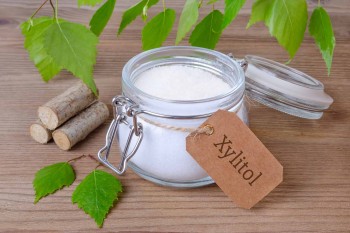
What is xylitol?
Xylitol (xylitol) is a natural sugar substitute or sweetener.
Xylitol looks very similar to regular sugar—it's white, crystalline, and sweet.
Xylitol (xylitol) is a natural sugar substitute or sweetener.
Xylitol looks very similar to regular sugar—it's white, crystalline, and sweet.
Xylitol was discovered in 1891 by the German chemist Fischer. Scandinavian countries began using xylitol on a large scale during World War II. Sugar shortages prompted the development of the sweetener from a common Scandinavian source: birch bark.
Healthy Properties of Xylitol
- Its taste (sweetness) is comparable to that of sugar.
- Contains 40% fewer calories than sugar.
- It has a low glycemic index (GI) of 7. It does not cause a sharp increase in blood glucose levels and does not significantly affect insulin production.
- Prevents tooth decay. Sugar is a breeding ground for oral bacteria, which convert it into acids. These acids gradually erode tooth enamel. Bacteria cannot metabolize xylitol, leaving them with nothing to feed on, and they die. Oral disease prevention. Xylitol promotes saliva production, which naturally washes teeth and gums, thereby reducing the concentration of microorganisms. Xylitol has anti-adhesive properties, preventing bacteria from adhering to tooth enamel.
Sources of Xylitol
The human body can produce up to 15 grams of xylitol per day. Therefore, xylitol is a natural substance.It is found in small amounts in fruits and vegetables, such as strawberries, raspberries, plums, and cauliflower.
Xylitol is obtained industrially from plant sources:
- hardwood
- corn cobs
- almond, oat, and cottonseed husks
- sunflower husks
Xylitol Uses
- Oral Hygiene Products
- Food Industry
- Pharmaceuticals
- Household Use